
When it comes to selling a home, one of the most crucial aspects to consider is competitive home pricing. Setting the right price for your property can make all the difference in attracting potential buyers and closing a sale. In today’s real estate market, understanding the concept of competitive home pricing is essential for homeowners who want to sell their properties quickly and at a fair price. Competitive home pricing involves analyzing the current market trends, assessing the condition and features of your home, and determining a price that is attractive to buyers while also meeting your financial goals.
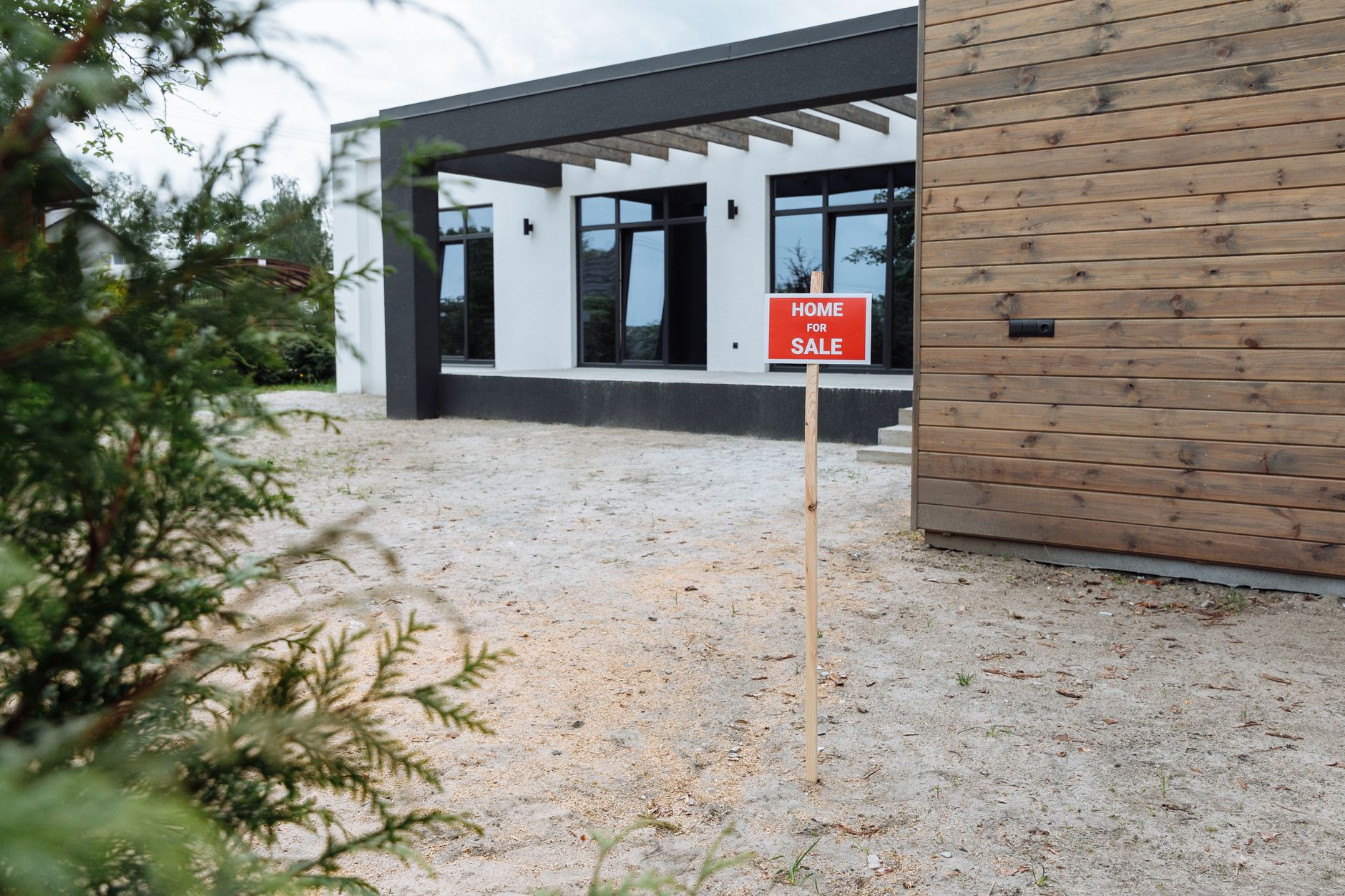
To achieve competitive home pricing, you need to stay informed about the latest home pricing trends in your area. This includes understanding the current market conditions, such as the supply and demand for homes, and how they impact prices. Additionally, you should consider factors like the location, size, and condition of your home, as well as any unique features it may have. By taking these factors into account, you can determine a fair and competitive price for your property.
Understanding the Importance of Competitive Home Pricing
Competitive home pricing is not just about setting a price that you think is fair; it’s about understanding the psychology of buyers and what they are willing to pay for a home. When buyers see a home that is priced competitively, they are more likely to take it seriously and consider making an offer. On the other hand, if a home is overpriced, buyers may be deterred and look for other options. Therefore, it’s essential to get the pricing right from the start to attract serious buyers and avoid lengthy negotiations.
Factors That Affect Competitive Home Pricing
Several factors can impact competitive home pricing, including the condition and age of the home, the location, and the current market trends. For example, a home that has been recently renovated or has unique features like a backyard pool or a stunning view may warrant a higher price. On the other hand, a home that needs significant repairs or is located in a less desirable area may need to be priced lower to attract buyers. Understanding these factors and how they impact pricing can help you determine a competitive price for your home. You can also learn more about renovations and home pricing to make informed decisions.
How to Avoid Overpricing Your Home
One of the most common mistakes homeowners make when selling their properties is overpricing them. This can lead to a lengthy and frustrating selling process, and may even result in the home selling for a lower price than it would have if it had been priced correctly from the start. To avoid this, it’s essential to research the market and understand what similar homes in your area are selling for. You can also work with a real estate agent who can provide you with a competitive market analysis and help you determine a fair and competitive price for your home. Additionally, you can learn more about how to avoid overpricing your home by staying informed about the latest market trends and pricing strategies.
For more information on real estate and home pricing, you can visit Inside the Minds, a comprehensive resource that provides insights and expert advice on various topics, including real estate and home pricing. By staying informed and understanding the concept of competitive home pricing, you can make informed decisions and achieve your goals when selling your home.
In conclusion, competitive home pricing is a critical aspect of selling a home, and understanding the factors that impact pricing can help you determine a fair and competitive price for your property. By staying informed about the latest market trends, working with a real estate agent, and avoiding common mistakes like overpricing, you can attract serious buyers and achieve your goals when selling your home. Remember, the key to successful home selling is setting a competitive price that attracts buyers and meets your financial goals.