
When it comes to selling your home, one of the most critical decisions you’ll make is determining the asking price. Setting the right price can make all the difference in attracting potential buyers and avoiding overpricing your home. To avoid overpricing your home, it’s essential to understand the local real estate market, consider the condition and amenities of your property, and be aware of the current competition. By doing so, you’ll be able to set a competitive price that will draw in buyers and help you sell your home quickly and efficiently.
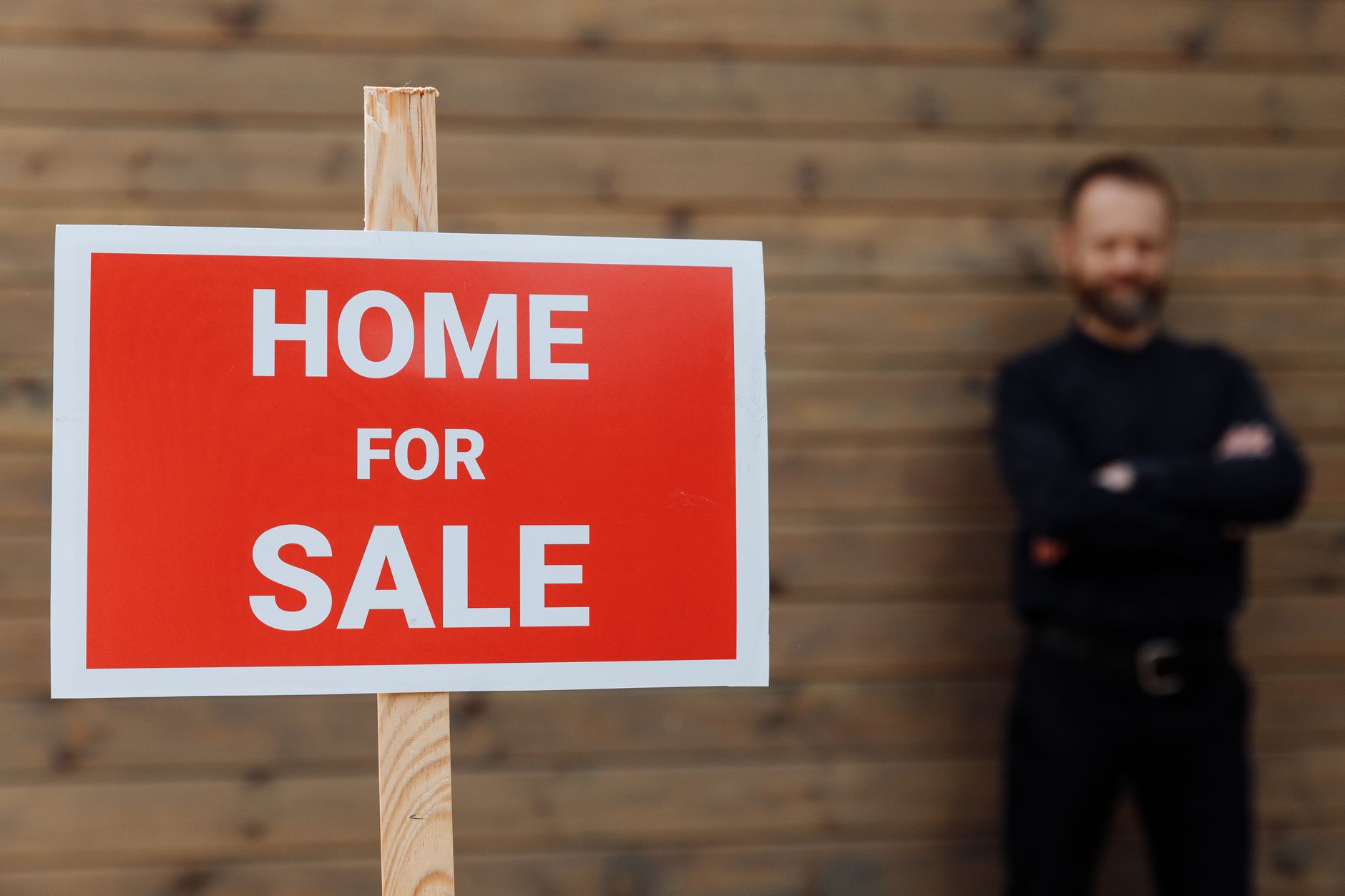
To avoid overpricing your home, you need to be realistic about its value. This means taking into account any necessary repairs, renovations, or upgrades that may be needed to make your home more attractive to potential buyers. It’s also crucial to research the local market and compare your home to similar properties in the area. By doing so, you’ll be able to determine a fair and competitive price for your home. Additionally, considering pricing for a quick sale can help you set a price that will attract buyers who are looking to make a fast purchase.
Understanding the Consequences of Overpricing Your Home
Overpricing your home can have serious consequences, including deterring potential buyers and prolonging the selling process. When a home is overpriced, it can sit on the market for months, leading to a decrease in its perceived value and potentially resulting in a lower sale price. To avoid this, it’s essential to understand the importance of avoiding overpricing your home and to take the necessary steps to determine a fair and competitive price. This can include working with a real estate agent, conducting market research, and considering home pricing strategies that will help you attract buyers and sell your home quickly.
Factors to Consider When Pricing Your Home
When determining the price of your home, there are several factors to consider. These include the condition and age of your home, its location, and the current state of the local real estate market. You should also consider the prices of similar homes in the area, as well as any unique features or amenities that your home may offer. By taking these factors into account, you’ll be able to determine a fair and competitive price for your home and avoid overpricing it. Additionally, you can learn from studies on overpricing in other industries and apply those lessons to your home pricing strategy.
Benefits of Correct Pricing
Correctly pricing your home can have numerous benefits, including attracting more buyers, selling your home quickly, and maximizing its sale price. When a home is priced correctly, it’s more likely to attract serious buyers who are willing to make an offer. This can lead to a faster sale and a higher sale price, as buyers are more likely to be willing to pay a premium for a home that’s priced fairly. To achieve this, it’s essential to avoid overpricing your home and to take the necessary steps to determine a fair and competitive price. Some of the benefits of correct pricing include:
- Attracting more buyers and increasing the chances of a sale
- Selling your home quickly and reducing the time it spends on the market
- Maximizing the sale price of your home and getting the best possible return on your investment
- Reducing the stress and hassle of the selling process
In conclusion, avoiding overpricing your home is crucial to attracting buyers, selling your home quickly, and maximizing its sale price. By understanding the local real estate market, considering the condition and amenities of your property, and being aware of the current competition, you’ll be able to set a competitive price that will draw in buyers and help you sell your home efficiently. Remember to consider avoid overpricing home strategies and always keep your target audience in mind when determining the price of your home.