
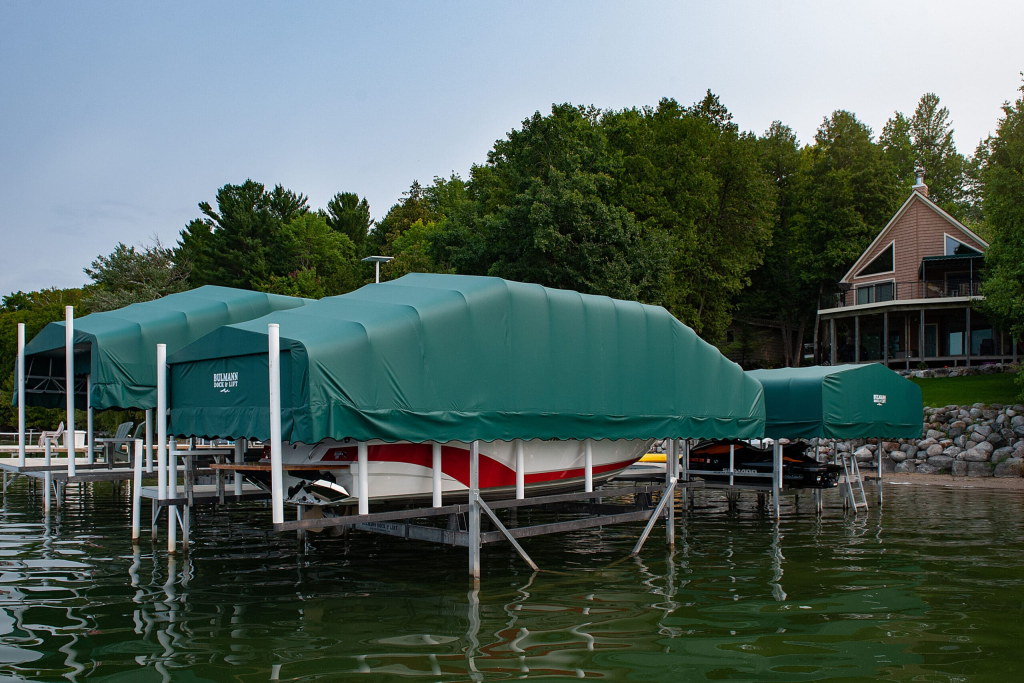
Owning a dock or waterfront property in Charleston, South Carolina, comes with unique responsibilities. One of the most important considerations for boat owners and property managers is selecting the right boat and cargo lift. Choosing the proper lift ensures safe storage, easy access, and protection for your vessel or equipment, especially in a marine environment prone to tides, storms, and humidity.
For guidance on professional marine lift solutions, companies like Boat and Cargo Lifts Carolinas provide expert recommendations, installation services, and maintenance tips for South Carolina boat owners.
Step 1: Understand the Types of Lifts
Before purchasing a lift, it’s important to understand the available types:
1.1 Boat Lifts
These lifts are designed specifically for boats and can include:
- Fixed Platform Lifts – Durable and suitable for long-term docking.
- Hydraulic Lifts – Offer smooth lifting and lower maintenance.
- Cable Lifts – Cost-effective and reliable for small to medium vessels.
1.2 Cargo Lifts
Cargo lifts are used to move equipment, kayaks, jet skis, or supplies between docks and boats. Key types include:
- Manual Hoists – Simple and cost-effective for lighter loads.
- Electric Lifts – Ideal for heavy cargo, providing effortless operation.
Understanding the distinction helps you choose a solution tailored to your needs.
Step 2: Assess Your Dock and Water Conditions
The effectiveness of a lift depends on your dock’s structure and the water environment. Factors to consider:
- Water depth and tides
- Dock length and strength
- Exposure to wind, current, and saltwater
- Frequency of use
Professional assessment ensures that your lift will operate safely and efficiently, avoiding structural damage or operational issues over time.
Step 3: Determine Weight and Size Requirements
Every lift has a maximum weight capacity. Before selecting a lift:
- Calculate your boat’s or cargo’s total weight
- Include fuel, accessories, or equipment
- Factor in growth or potential future needs
Selecting a lift with an appropriate weight range prevents safety hazards and prolongs the life of your equipment.
Step 4: Choose Between Manual, Hydraulic, or Electric Operation
Lifts come in different operational styles:
- Manual Lifts: Affordable and low-maintenance but require physical effort.
- Hydraulic Lifts: Smooth operation and reliable for frequent use, ideal for larger boats.
- Electric Lifts: Convenient and efficient, particularly for heavy cargo or commercial use.
Your choice depends on budget, frequency of use, and the type of vessel or cargo you need to lift.
Step 5: Material Matters
Lifts are constantly exposed to water, weather, and salt. Choosing the right material prevents corrosion and ensures durability:
- Aluminum: Lightweight and corrosion-resistant, perfect for saltwater environments.
- Galvanized Steel: Strong and cost-effective but may require periodic coating.
- Stainless Steel: Premium option with excellent corrosion resistance.
Selecting a high-quality material reduces maintenance costs and extends the lift’s lifespan.
Step 6: Safety Features Are Essential
A reliable lift must include safety features to protect both users and vessels:
- Safety locks and braces
- Emergency stops for electric lifts
- Non-slip platforms
- Secure cable and hydraulic systems
These features minimize the risk of accidents while ensuring smooth, controlled lifting operations.
Step 7: Consider Installation Requirements
Proper installation is critical for lift performance. Some factors include:
- Dock reinforcement for heavier lifts
- Electrical connections for powered lifts
- Hydraulic fluid maintenance for hydraulic systems
- Local regulations and permits
Professional installation ensures optimal safety, compliance, and longevity of your lift.
Step 8: Maintenance and Longevity
Routine maintenance keeps lifts functioning properly. Recommendations include:
- Regular inspection of cables, pulleys, and hydraulic lines
- Lubrication of moving parts
- Checking for corrosion or rust
- Seasonal maintenance for winter or storm preparation
Regular upkeep prevents costly repairs and ensures smooth operation year-round.
Step 9: Budget Considerations
Lifts vary in cost depending on type, material, and capacity. Consider:
- Initial purchase and installation costs
- Long-term maintenance
- Energy costs for electric or hydraulic systems
- Potential insurance savings with a secure lift
Budgeting effectively ensures you choose a solution that meets your needs without compromising quality.
Step 10: Why Professional Guidance Matters
Selecting the right lift can be challenging. Consulting marine lift experts ensures that:
- You choose the proper lift type for your vessel and cargo
- Installation is performed correctly
- Safety and operational efficiency are prioritized
For Charleston and surrounding areas, trusted providers like Boat and Cargo Lifts Carolinas offer professional advice, high-quality products, and ongoing support. You can explore their solutions here:
https://boatandcargoliftcarolinas.com/
Step 11: Matching Your Lift to Lifestyle
Your choice of lift also depends on how you use your dock:
- Frequent boating requires durable, easy-to-operate lifts
- Occasional users may prefer manual or lighter solutions
- Commercial or rental docks need high-capacity electric lifts
Aligning lift functionality with lifestyle ensures convenience and long-term satisfaction.
Step 12: Planning for the Future
When investing in a lift, anticipate future needs:
- Larger or additional boats
- Increased cargo loads
- Upgrades to dock structure
Forward-thinking choices prevent the need for costly replacements and adjustments in the years to come.
Step 13: Enhancing Dock Efficiency
A well-chosen lift improves the efficiency of your dock:
- Speeds up loading and unloading
- Reduces wear on boats and equipment
- Protects against tidal and weather damage
- Increases property value
Optimized lifts make waterfront living and recreation safer and more enjoyable.
Step 14: Stay Informed About New Technologies
Marine lift technology continues to advance. Innovations include:
- Automated lifts with remote operation
- Corrosion-resistant materials
- Smart monitoring systems for load and maintenance
- Energy-efficient hydraulic systems
Keeping up with trends ensures your lift remains modern, safe, and reliable.
Step 15: Final Thoughts
Choosing the right boat and cargo lift is critical for safety, convenience, and the protection of your investment. From understanding lift types and materials to considering weight, safety, installation, and maintenance, every decision matters.
For boat owners and dock managers in Charleston, SC, working with professionals like Boat and Cargo Lifts Carolinas ensures you select the right lift and receive expert installation and support.