
When it comes to selling a home, one of the most important considerations is maximizing home resale value. This is because the resale value of a home can greatly impact its selling price, and ultimately, the profit that the seller can make. There are many factors that can affect a home’s resale value, including its location, condition, and amenities. By understanding these factors and taking steps to improve them, homeowners can increase their home’s resale value and get the best possible price when they sell.
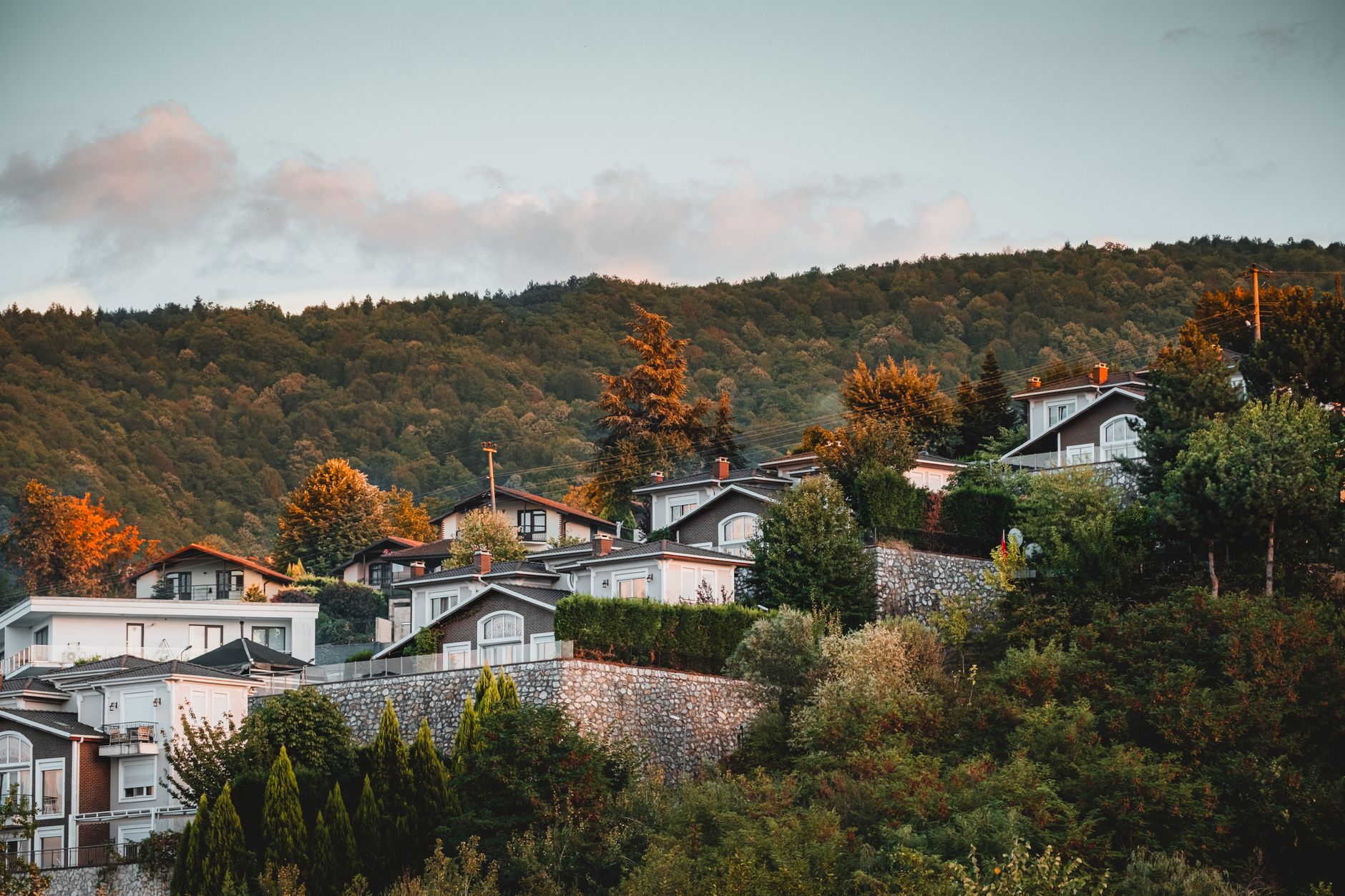
Maximizing home resale value requires a combination of short-term and long-term strategies. In the short term, homeowners can focus on making cosmetic improvements, such as painting and landscaping, to make their home more attractive to potential buyers. In the long term, they can invest in more significant renovations, such as kitchen and bathroom remodels, to increase their home’s value. Additionally, homeowners can also consider hiring a professional to conduct home appraisals process to determine their home’s current value and identify areas for improvement.
Understanding the Factors that Affect Home Resale Value
There are several factors that can affect a home’s home resale value, including its location, size, age, and condition. The location of a home is one of the most important factors, as it can affect the home’s accessibility, safety, and overall quality of life. Homes that are located in desirable neighborhoods, with good schools and amenities, tend to have higher resale values than those located in less desirable areas. The size and age of a home can also impact its resale value, as larger and newer homes tend to be more desirable than smaller and older ones.
Improving Home Resale Value through Renovations and Upgrades
One of the most effective ways to improve a home’s home resale value is through renovations and upgrades. This can include everything from minor cosmetic improvements, such as painting and flooring, to major renovations, such as kitchen and bathroom remodels. Homeowners can also consider adding new features and amenities, such as energy-efficient appliances and smart home technology, to make their home more attractive to potential buyers. For example, a well-designed kitchen with high-end appliances and ample counter space can significantly increase a home’s resale value. To get some inspiration, check out these home staging ideas that can help you maximize your home’s resale value.
Developing a Real Estate Selling Strategy
Once a homeowner has made improvements to their home, they need to develop a real estate selling strategies to attract potential buyers. This can include everything from pricing and marketing to staging and showing the home. Homeowners can work with a real estate agent to develop a customized selling strategy that takes into account their home’s unique features and the current market conditions. They can also consider offering incentives, such as home warranties and closing cost assistance, to make their home more attractive to buyers. For more information on how to design a home with resale value in mind, check out this book on Designing the American Home For Resale Value.
In conclusion, maximizing home resale value requires a combination of short-term and long-term strategies. By understanding the factors that affect a home’s resale value, making improvements and renovations, and developing a real estate selling strategy, homeowners can increase their home’s value and get the best possible price when they sell. Whether you’re a seasoned homeowner or a first-time seller, it’s essential to stay informed and adapt to the ever-changing real estate market to achieve your goals.